Dane Poyzer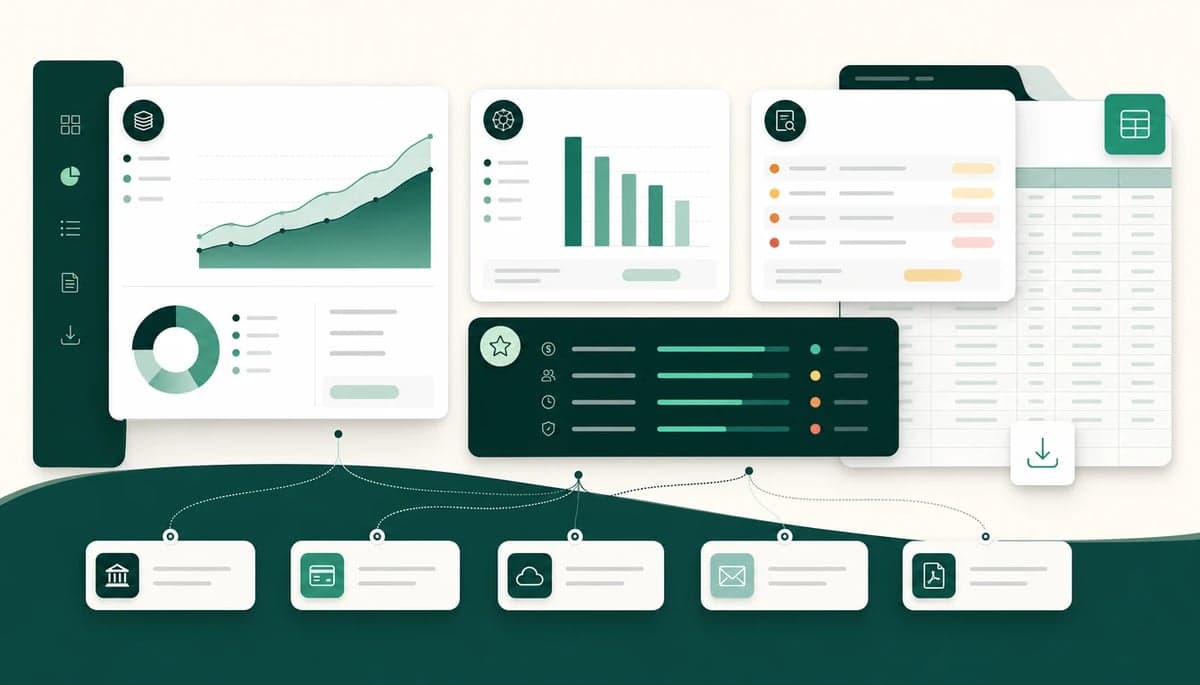
On this page6 sections
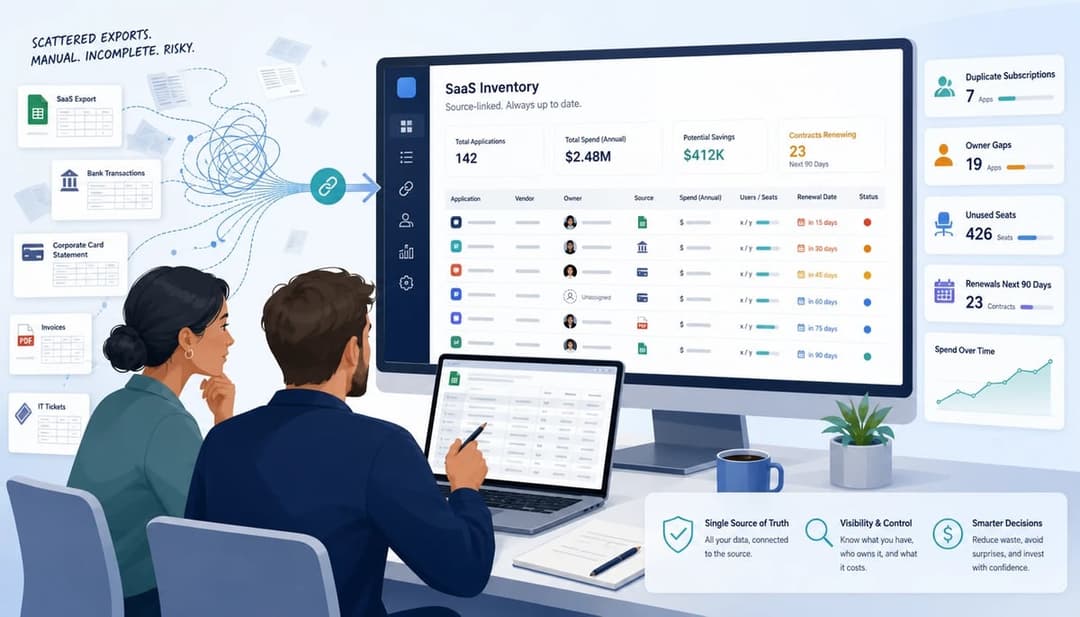
Most small businesses do not have a neat software-spend system. They have card statements, bank exports, PayPal rows, accounting exports, founder subscriptions, staff tools, client accounts, AI add-ons, and a long list of charges that made sense at the time.
SaaS Spend Review exists to turn that mess into a practical savings review.
It is a source-linked SaaS and AI spend review for small businesses. You upload exports from the places where software spend shows up, see a preview before paying, and get a structured report that points back to the source rows behind each finding. For many teams, this is the lightweight version of a software spend audit or SaaS spend audit, focused on evidence rather than ongoing procurement software.
The goal is not to become another platform you have to manage every week. It is to help you find likely savings, spot spend that deserves review, and answer a practical question: what are we spending on software and AI tools, what changed, and what should we review next?
Why this exists
Software spend rarely jumps in one obvious moment. It usually drifts.
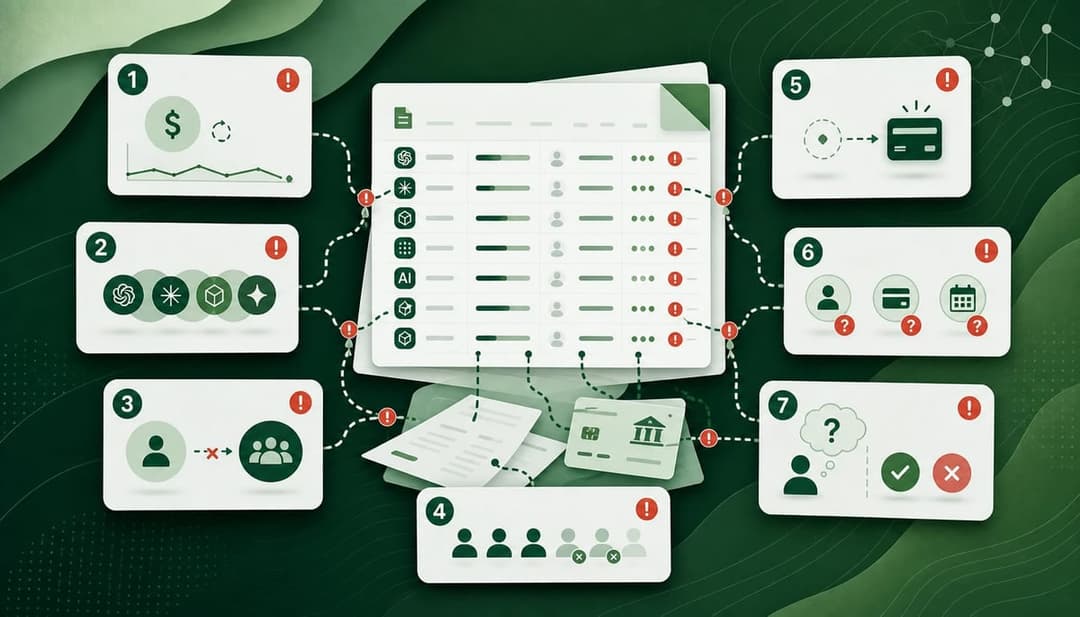
A design tool renews with old seats still active. A project-management tool keeps charging after a client engagement ends. A founder pays for one AI tool while the team trials another. Someone adds a reporting product for a deadline, then nobody owns the renewal. A contractor account remains connected to a subscription that no current employee recognises.
None of this means anyone was careless. It is just what happens when a small team grows, changes tools, serves clients, and experiments.
The hard part is that the evidence is spread out. You might know the answer is somewhere in the exports, but not want to spend a day normalising vendor names, grouping charges, finding repeated tools, or checking which payments are actually software-related.
That is the job SaaS Spend Review is built around.
What the report helps with
A SaaS Spend Review report is designed to make a software spend audit, SaaS spend audit, or software subscription audit easier.
It can help you see:
- monthly run-rate and annualised software spend
- the tools detected across your exports
- possible duplicate or overlapping subscriptions
- AI tools and AI add-ons that deserve a closer look
- new vendors, disappeared vendors, and price changes
- spend with no clear owner
- payment sources that may need checking
- likely savings opportunities, renewal checks, and review priorities with source-row evidence
The important part is the source link. A useful recommendation needs evidence behind it. If a report says a subscription increased, duplicated, appeared, or needs an owner, you should be able to trace that back to the rows that caused the finding.
Who it is for
This is mainly for small agencies, consultancies, studios, owner-managed businesses, and small teams that want a clearer view of software and AI spend without setting up a full procurement system.
It is for people who have enough software spend to care, but not enough internal time to build a full SaaS management process.
You might be the founder, managing director, operations lead, finance manager, studio manager, or the person who always ends up asking why a tool is still being charged.
What it is not
SaaS Spend Review is not accounting or tax advice. It is not a replacement for your accountant. It is not a full SaaS management platform, procurement workflow, SSO audit, or IT asset management system.
It is a focused review of exported spend data, built to help you make better decisions about software and AI subscriptions.
That narrower scope matters. For many small teams, the first useful step is not another integration. It is a clear, source-linked report that shows what changed and what to check.
What this blog will cover
This blog will stay close to that practical job.
We will write about:
- how to build a SaaS inventory from messy exports
- how to spot duplicate subscriptions and overlapping tools
- how to review AI tool spend without drifting into generic AI governance
- what small businesses might reasonably spend on specific software categories
- how agencies and consultancies can review delivery, sales, design, project-management, reporting, automation, and AI tools
- how to prepare for renewals and catch price changes
- how to assign owners and next actions so reviews turn into decisions
The aim is to publish useful checklists, examples, benchmarks, and decision frameworks. Some posts will answer search-shaped questions. Others will explain how we think about software-spend review inside the product.
The standard is simple: each article should help a small business make a better review decision.
What to do next
If you already have exports ready, you can start with the product and see whether there is enough evidence to create a useful report.
If you are still working out where the money is going, the coming posts should help you build a cleaner view before you upload anything.
Either way, the same principle applies: software and AI spend is easier to improve when the evidence is visible, the owner is clear, and the next action is specific.